


The 8 Forms of Magnesium, Explained: A Complete Guide to Every Type
Not all magnesium is the same. Glycinate, malate, citrate, taurate, oxide, carbonate, aspartate and orotate each behave differently in the body. Here is a plain-English guide to all eight forms, what each one is known for, and why the form on the label matters more than the number.
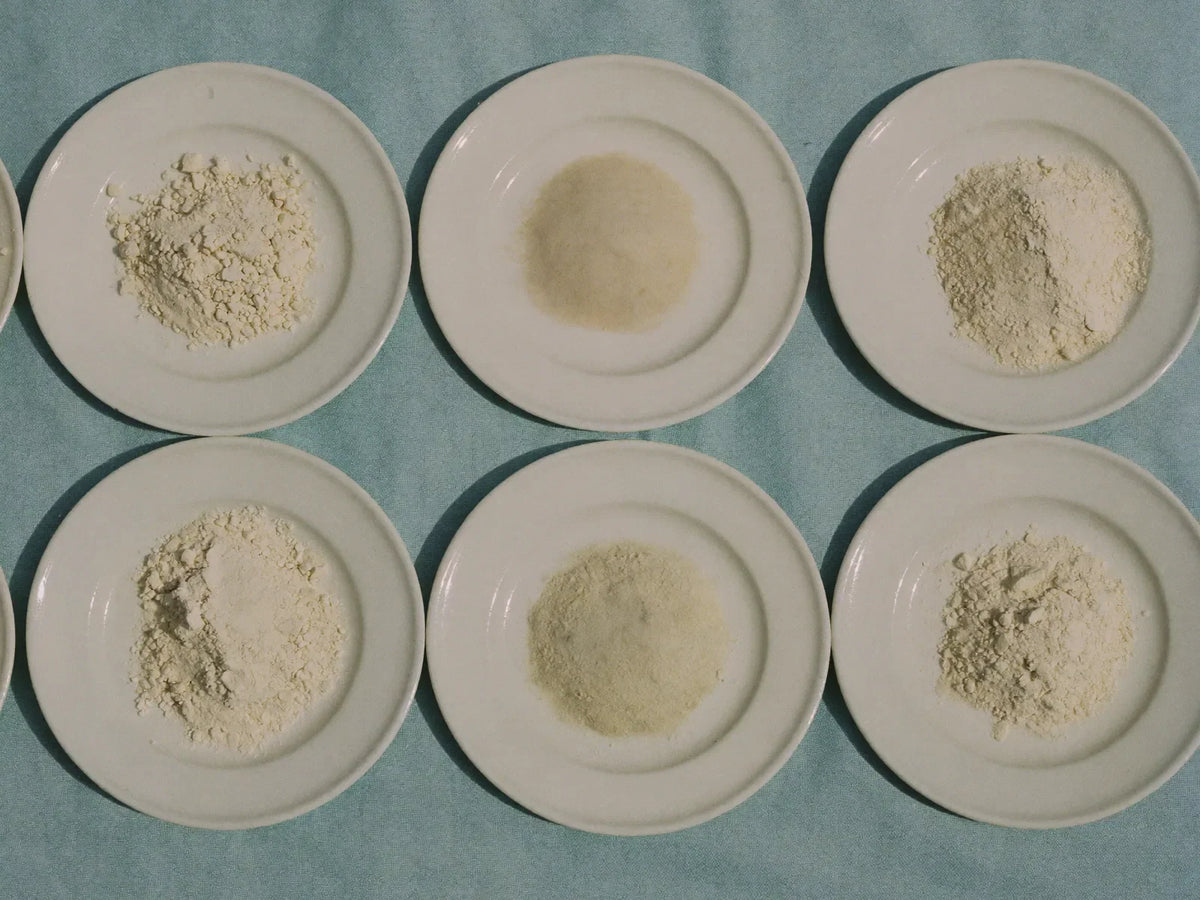
Magnesium supplements can use many different magnesium compounds, including oxide, glycinate, malate, taurate, citrate, carbonate, aspartate and orotate. The form name tells you what magnesium is paired with. It does not, by itself, tell you how much elemental magnesium a serving provides or prove that one product is better than another.
If you are comparing magnesium supplements, start with the Supplement Facts panel: check the amount of elemental magnesium, serving size, capsule count and the actual forms listed.
First: what does “elemental magnesium” mean?
Magnesium in supplements is supplied as part of a compound. The compound contains magnesium plus another component, such as glycine, citric acid or oxygen. Elemental magnesium refers to the magnesium portion supplied by that compound.
This is why two ingredients with the same compound weight can provide very different amounts of magnesium. The labelled magnesium amount in the Supplement Facts panel is more useful for comparing finished products than a front-label compound weight.
The 8 magnesium forms in Alurevia, explained
Listed in the order they appear on the Alurevia label, which runs from the largest contributor to the smallest.
1. Magnesium oxide
Magnesium oxide has a high proportion of elemental magnesium by compound weight, approximately 60%. That makes it useful when a formula is designed to provide a relatively high labelled magnesium amount in a small capsule. The NIH notes that magnesium oxide is less completely absorbed than several more soluble magnesium forms. It is the primary source in Alurevia Magnesium Complex.
2. Magnesium glycinate
Magnesium glycinate pairs magnesium with glycine, an amino acid. It is a chelated magnesium compound commonly used in standalone magnesium products and multi-form formulas.
3. Magnesium malate
Magnesium malate pairs magnesium with malic acid. Malic acid participates in normal cellular energy pathways, but the presence of malate in a supplement should not be treated as proof of a specific clinical outcome.
4. Magnesium taurate
Magnesium taurate pairs magnesium with taurine. It is one of several alternative magnesium compounds used in supplement formulations. Form-specific health claims should be evaluated separately from the basic nutritional role of magnesium.
5. Magnesium citrate
Magnesium citrate pairs magnesium with citric acid. The NIH Office of Dietary Supplements lists citrate among magnesium forms that are absorbed more completely than magnesium oxide. Magnesium salts can also produce gastrointestinal effects at higher supplemental intakes.
6. Magnesium carbonate
Magnesium carbonate is a magnesium salt used in supplements and other products. Like the other forms here, the compound name does not tell you the finished product’s elemental magnesium dose; the Supplement Facts panel does.
7. Magnesium aspartate
Magnesium aspartate pairs magnesium with aspartic acid. The NIH lists magnesium aspartate among forms that are more completely absorbed than magnesium oxide.
8. Magnesium orotate
Magnesium orotate pairs magnesium with orotic acid. It is a less common supplement form. Its presence in a blend is a formulation characteristic, not evidence that the blend is automatically superior to a single-form product.
Does an 8-form magnesium complex work eight times better?
No. The number of forms describes the ingredient profile. It does not multiply the effect, and it does not establish that a multi-form product is universally better absorbed or more effective than a single-form supplement.
A multi-form complex may appeal to someone who prefers several named magnesium sources in one formula. A single-form product may make more sense for someone who specifically wants one magnesium compound. The useful comparison is the complete label, not the number of forms alone.
How much elemental magnesium is in each form?
Approximate elemental magnesium by compound weight varies substantially. Values can also vary with hydration state and ingredient specification, so these figures are educational estimates rather than a substitute for a finished product label.
| Magnesium form | Approx. elemental magnesium by weight |
|---|---|
| Oxide | ~60% |
| Carbonate | ~29% |
| Citrate | ~16% |
| Malate | ~15% |
| Glycinate | ~14% |
| Taurate | ~9% |
| Aspartate | ~8% |
| Orotate | ~7% |
A higher elemental percentage is not the same thing as higher absorption. Those are separate characteristics, which is another reason the Supplement Facts panel and the full formulation matter.
Where Alurevia Magnesium Complex fits
Alurevia Magnesium Complex provides 500mg of elemental magnesium in one veggie capsule from eight named sources: oxide, glycinate, malate, taurate, citrate, carbonate, aspartate and orotate.
Magnesium oxide is listed first on the Supplement Facts panel, making it the primary magnesium source. The remaining seven forms are present alongside it in smaller amounts. The product is therefore an eight-form magnesium complex, not a glycinate-dominant product.
Each bottle contains 90 capsules. At the labelled use of one capsule per day, one bottle is a 90-day supply.
90-DAY SUPPLY · SUBSCRIBE & SAVE 10%
Make your 90-day routine automatic, and save.
One bottle contains 90 capsules at one capsule per day, so the subscription is designed around a full 90-day supply.
- $35.00 one-time purchase
- $31.50 every 3 months with Subscribe & Save
- Save $3.50 on every 90-day delivery
- Only 4 scheduled deliveries per year, not monthly
- No need to remember to reorder
- Pause, skip or cancel anytime
How to read a magnesium label
- Check elemental magnesium per serving. Use the Supplement Facts panel rather than relying on a compound weight.
- Check the serving size. Compare the number of capsules needed to obtain the labelled dose.
- Read the ingredient order. It can help show which ingredients are present in greater relative amounts where labelling rules apply.
- Separate form count from evidence. More forms do not automatically mean more benefit.
- Follow the product directions. Do not change the dose just to make two supplements appear comparable.
A safety point worth knowing
The Food and Nutrition Board sets a tolerable upper intake level of 350mg per day for magnesium from supplements for adults. This limit is separate from magnesium obtained naturally from food and is primarily based on gastrointestinal effects.
Alurevia Magnesium Complex provides 500mg elemental magnesium per capsule, which is above that supplemental upper limit. Speak with a healthcare professional before use, particularly if you have kidney disease, take prescription medicines, are pregnant or nursing, or use other products containing magnesium.
Frequently asked questions
Which form of magnesium is best?
There is no universal best form for every person and every purpose. Compare the labelled elemental magnesium, serving size, formulation, tolerability and your individual needs.
Is magnesium oxide the main form in Alurevia?
Yes. Magnesium oxide is listed first, with seven additional named magnesium forms included in the complex.
Does Alurevia contain magnesium glycinate?
Yes. Glycinate is one of the eight named forms, but the product is not a glycinate-only or glycinate-dominant formula.
This article is general supplement education and is not medical advice. These statements have not been evaluated by the Food and Drug Administration. This product is not intended to diagnose, treat, cure or prevent any disease. Follow the product label and seek professional advice when appropriate.