
Quick answer
Usually, there is no difference. "Magnesium bisglycinate" is the precise chemical name for magnesium bound to two glycine molecules, and most products labelled "magnesium glycinate" contain that same compound. The difference that matters is whether the ingredient is fully reacted or "buffered" with magnesium oxide, which changes how much elemental magnesium each capsule supplies.
Search for magnesium glycinate and you will find products labelled glycinate, bisglycinate, bisglycinate chelate, diglycinate and "fully reacted". It looks like five different ingredients. In most cases it is one compound described in different ways, and the label detail worth checking is something else entirely.
What "bisglycinate" means
Glycine is the simplest amino acid. In magnesium bisglycinate, one magnesium atom is bound to two glycine molecules. "Bis" means two. Because the magnesium is held by an amino acid, the compound is described as an amino acid chelate, which is where the word "chelate" on many labels comes from.
"Magnesium glycinate" is the shorter, everyday name. "Diglycinate" is another way of saying two glycines. When these names appear on a US label, they generally describe the same compound.
Glycinate vs bisglycinate at a glance
| Label wording | What it usually means | What to check |
|---|---|---|
| Magnesium glycinate | Common name for magnesium bound to glycine | Whether it is buffered, and the elemental figure on the panel |
| Magnesium bisglycinate | Precise name: one magnesium, two glycines | Same as above |
| Magnesium bisglycinate chelate | Same compound, described as an amino acid chelate | Same as above |
| Fully reacted / non-buffered | The ingredient is the glycinate compound without added magnesium oxide | Lower elemental magnesium per gram, so expect larger or more capsules |
| Buffered glycinate | Glycinate blended with another magnesium source, often oxide | Whether oxide appears in the ingredient list |
The difference that matters: buffered or fully reacted
Pure magnesium bisglycinate is only about 14% magnesium by weight. The other 86% is glycine. To fit a meaningful amount of magnesium into one capsule, some ingredient suppliers blend the glycinate with magnesium oxide, which is about 60% magnesium by weight. The result is called buffered glycinate.
Buffering is not hidden or improper, and it is a common formulation choice. It does change what you are buying. A buffered product supplies part of its magnesium as oxide, a form with different absorption and digestive-tolerance characteristics from glycinate. If you chose glycinate specifically, you should know how much of your dose actually comes from it.
How to tell from the label:
- Read the ingredient list, not just the front. If magnesium oxide appears alongside the glycinate, part of the magnesium comes from oxide.
- Look for the words "buffered", "fully reacted" or "non-buffered". Some brands state this directly. Many do not.
- Do the elemental check. Compare the "Magnesium" figure on the Supplement Facts panel with the capsule count. If a single small capsule claims a high elemental dose from "glycinate", that is difficult with pure glycinate alone, and a closer look is worth it.
How much elemental magnesium is in bisglycinate?
About 14% by weight for the pure compound, calculated from molecular weight. That means:
| Magnesium bisglycinate (compound) | Approximate elemental magnesium |
|---|---|
| 500mg | ~70mg |
| 1,000mg | ~140mg |
| 2,000mg | ~280mg |
Hydration state and buffering change these figures, so the Supplement Facts panel is always the final word. For the same calculation across eight forms, see what is elemental magnesium.
Is bisglycinate better than glycinate?
When both names describe the same compound, neither is better, because they are the same ingredient. A product that says "bisglycinate" may simply be using the more precise term. The useful comparison between two glycinate products is the same as for any magnesium supplement: elemental magnesium per serving, capsules per serving, whether the ingredient is buffered, and cost per day.
Glycinate is often chosen by people who want a form commonly described as gentle on digestion. Research comparing magnesium forms directly is limited, so treat tolerability as something to notice for yourself rather than a guaranteed property of any label.
Where Alurevia Magnesium Complex fits
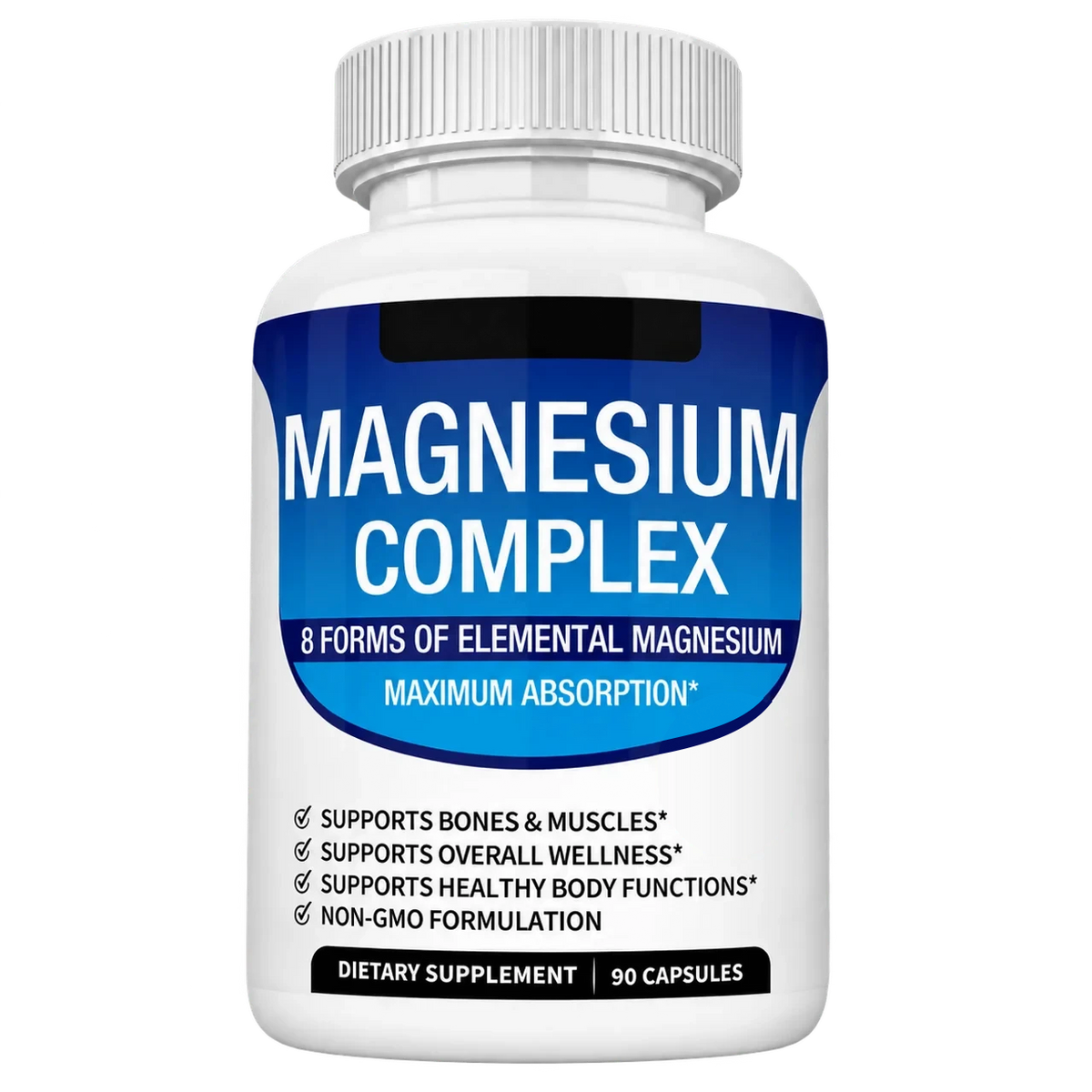
Alurevia Magnesium Complex is not a glycinate-only product. It combines eight named magnesium sources: oxide, glycinate, malate, taurate, citrate, carbonate, aspartate and orotate. Magnesium oxide is listed first and is the primary source. It provides 500mg elemental magnesium in one capsule, which is above the 350mg adult supplemental upper intake level, so it is worth discussing suitability with a healthcare professional.
If a glycinate-only product is what you want, the checks above will help you choose one well. If you are weighing a single form against a multi-form formula, see magnesium glycinate vs magnesium complex.
90-DAY SUPPLY · SUBSCRIBE & SAVE 10%
- $35.00 one-time purchase
- $31.50 every 3 months with Subscribe & Save
- One capsule per day, 90 capsules per bottle
- Pause, skip or cancel anytime
Frequently asked questions
Is magnesium bisglycinate the same as magnesium glycinate?
In most supplements, yes. Bisglycinate is the precise name for magnesium bound to two glycine molecules, and "magnesium glycinate" is the common name for the same compound. Check the ingredient list for buffering, which is the meaningful difference.
What does buffered magnesium glycinate mean?
It means the glycinate has been blended with another magnesium source, usually magnesium oxide, to raise the elemental magnesium per gram. Part of the dose then comes from oxide rather than glycinate.
What does fully reacted mean on a magnesium label?
It indicates the ingredient is the glycinate compound itself rather than a blend with added magnesium oxide. Expect a lower elemental amount per gram, which usually means more or larger capsules for the same dose.
How much elemental magnesium is in 1,000mg of magnesium bisglycinate?
About 140mg, because the pure compound is roughly 14% magnesium by weight. Buffered versions supply more per gram. The Supplement Facts panel gives the exact figure for a specific product.
Is magnesium bisglycinate chelate different from bisglycinate?
No. "Chelate" describes how the glycine holds the magnesium. It is the same compound described in more detail.
Source
National Institutes of Health, Office of Dietary Supplements: Magnesium Fact Sheet for Health Professionals.
This article is general education and is not medical advice. These statements have not been evaluated by the Food and Drug Administration. This product is not intended to diagnose, treat, cure, or prevent any disease. Follow the product label and speak with a healthcare professional for individual guidance.