

What Is Magnesium Glycinate? A Practical Guide to the Form, Labels and Supplements
Magnesium glycinate is magnesium paired with glycine. This guide explains what the name means, how it differs from elemental magnesium, what to look for on a supplement label and how it fits within multi-form magnesium products.

Quick answer
Magnesium glycinate is magnesium bound to the amino acid glycine, also called magnesium bisglycinate. It supplies magnesium, which supports normal muscle and nerve function, energy production and bone health. Pure magnesium glycinate is only about 14% magnesium by weight, so 1,000mg of the compound supplies roughly 140mg of magnesium. Check the Supplement Facts panel for the real figure.
Magnesium glycinate has become the most searched magnesium form in the US. It is popular for good reasons, and it is also surrounded by more marketing than evidence. This guide covers what it is, what it does, how much magnesium you actually get and what to know before taking it daily.
What is magnesium glycinate?
Magnesium on its own is unstable, so supplements bind it to a partner molecule. In magnesium glycinate, the partner is glycine, the simplest amino acid. Each magnesium atom is held by two glycine molecules, which is why the precise name is magnesium bisglycinate. Because an amino acid holds the magnesium, it is also described as an amino acid chelate.
On labels you may see glycinate, bisglycinate, bisglycinate chelate or diglycinate. These usually describe the same compound. The detail that matters more is whether the ingredient is "buffered" with magnesium oxide. See magnesium bisglycinate vs glycinate for how to tell.
What does magnesium glycinate do for the body?
Magnesium glycinate's job is to supply magnesium. Once absorbed, the magnesium does what magnesium from any source does. According to the NIH Office of Dietary Supplements, magnesium is a cofactor in more than 300 enzyme systems in the body. Among its established roles, magnesium supports:
- Normal muscle function, including contraction and relaxation
- Normal nerve function and nerve signalling
- Energy production at the cellular level
- Bone health: roughly half to 60% of the body's magnesium is stored in bone
- Protein synthesis and normal blood glucose regulation
Glycine, the partner molecule, is an amino acid the body uses to build proteins. The amount of glycine in a typical magnesium glycinate serving is small, and claims that it adds a separate benefit go beyond what the evidence on supplements has shown.
For a broader look at magnesium's roles, see what does magnesium do.
How much magnesium is in magnesium glycinate?
Pure magnesium bisglycinate is about 14% magnesium by weight, calculated from molecular weight. The rest is glycine.
| Magnesium glycinate (compound) | Approximate elemental magnesium | % of 420mg Daily Value |
|---|---|---|
| 500mg | ~70mg | ~17% |
| 1,000mg | ~140mg | ~33% |
| 1,500mg | ~210mg | ~50% |
| 2,000mg | ~280mg | ~67% |
This is why a front label reading "Magnesium Glycinate 1,000mg" does not mean 1,000mg of magnesium. On a US Supplement Facts panel, the line that reads "Magnesium" gives the elemental amount. That is the number to compare. Buffered products supply more magnesium per gram because part of it comes from magnesium oxide. For the full comparison method, see what is elemental magnesium.
How glycinate compares with other common forms
| Form | Approx. elemental magnesium | Commonly noted for |
|---|---|---|
| Glycinate | ~14% | Often described as gentle on digestion; low magnesium per gram |
| Citrate | ~16% | Absorbed more completely than oxide (NIH); more likely to loosen stools at higher amounts |
| Malate | ~15% | Magnesium paired with malic acid |
| Oxide | ~60% | Most magnesium per gram; less completely absorbed; more often linked to digestive effects |
No form is best for everyone. Direct research comparing glycinate with other forms in people is limited, so "gentle" describes a common experience rather than a guaranteed property. For detailed comparisons, see glycinate vs citrate and oxide vs glycinate.
Is it OK to take magnesium glycinate every day?
Magnesium supplements are designed for daily use, and most labels direct a daily serving. Daily use is generally well tolerated by healthy adults when it stays within sensible limits. Four things are worth knowing.
1. The upper limit applies to supplements, not food. The Food and Nutrition Board sets a tolerable upper intake level of 350mg per day of magnesium from supplements and medicines for adults. Magnesium from food does not count toward it. Add up magnesium from every supplement you take, including multivitamins.
2. The most common side effects are digestive. Higher supplemental intakes can cause loose stools, nausea or stomach cramping. Glycinate is often chosen because it is commonly described as gentler in this respect, though individual responses vary. Taking it with food, or splitting the amount across the day where the label allows, may help.
3. Some people need professional advice first. The kidneys clear excess magnesium, so people with kidney disease should not take magnesium supplements without medical guidance. The same applies if you are pregnant or breastfeeding, or managing a health condition.
4. Magnesium interacts with some medicines. The NIH notes interactions with bisphosphonates (osteoporosis medicines), tetracycline and quinolone antibiotics, some diuretics, and long-term proton pump inhibitor use. Timing often matters, so ask a pharmacist how to space doses. For detail, see magnesium side effects and safety.
Magnesium glycinate and sleep: what can and cannot be said
"Magnesium glycinate for sleep" is one of the most common searches about this form. Magnesium plays a role in normal nerve function, and researchers have studied magnesium and sleep. However, the human research is limited and mixed, and studies on glycinate specifically are few. A magnesium supplement is not a treatment for insomnia or any sleep disorder.
If sleep is the reason you are looking, a healthcare professional is the right first step, especially if poor sleep is persistent. Our longer look at the evidence is in magnesium and sleep.
Capsules, gummies or powder?
Magnesium glycinate is sold in all three. Because glycinate is low in magnesium per gram, gummies in particular often need several pieces per serving and may contain added sugar. Compare formats by magnesium per day and cost per day. See magnesium gummies vs capsules vs powder.
How to choose a magnesium glycinate supplement
- Read the "Magnesium" line on the Supplement Facts panel. That is the elemental amount per serving.
- Check capsules per serving. Glycinate products often need two to four capsules.
- Look for magnesium oxide in the ingredient list. If it appears, the product is buffered and part of the dose is oxide.
- Work out cost per day. Capsules per bottle divided by capsules per day gives days of supply. Divide the price by that.
- Look for independent testing information that names a real organisation you can check.
- Add up all your magnesium supplements against the 350mg adult supplemental upper limit.
Where Alurevia Magnesium Complex fits
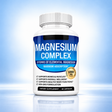
To be clear about what we sell: Alurevia Magnesium Complex is not a glycinate-only supplement. It combines eight named magnesium sources: oxide, glycinate, malate, taurate, citrate, carbonate, aspartate and orotate. Magnesium oxide is listed first and is the primary source, which is how one capsule reaches 500mg elemental magnesium. That is above the 350mg adult supplemental upper intake level, so discuss suitability with a healthcare professional.
If you want a glycinate-only product, the checklist above will help you choose one well. If you are deciding between a single form and a multi-form formula, read magnesium glycinate vs magnesium complex.
90-DAY SUPPLY · SUBSCRIBE & SAVE 10%
- $35.00 one-time purchase
- $31.50 every 3 months with Subscribe & Save
- One capsule per day, 90 capsules per bottle
- Pause, skip or cancel anytime
Frequently asked questions
What is magnesium glycinate used for?
It is used as a dietary source of magnesium, which supports normal muscle and nerve function, energy production and bone health. It is often chosen by people looking for a form commonly described as gentle on digestion.
What does magnesium glycinate do for the body?
It supplies magnesium, a cofactor in more than 300 enzyme systems. Magnesium supports normal muscle contraction and relaxation, nerve signalling, cellular energy production, protein synthesis and bone health.
Can I take magnesium glycinate every day?
Most magnesium supplements are designed for daily use. Keep total supplemental magnesium within the 350mg adult upper intake level unless a healthcare professional advises otherwise. Seek advice first if you have kidney disease, are pregnant or take interacting medicines.
How much elemental magnesium is in magnesium glycinate?
About 14% by weight for the pure compound, so 1,000mg supplies roughly 140mg of magnesium. Buffered products supply more per gram. The Supplement Facts panel gives the exact amount.
What are the side effects of magnesium glycinate?
The most common are digestive: loose stools, nausea or cramping, especially at higher amounts. Glycinate is often described as gentler than forms such as oxide, but individual responses vary.
Is magnesium glycinate the same as magnesium bisglycinate?
Usually, yes. Bisglycinate is the precise name for magnesium bound to two glycine molecules. Check whether the product is buffered with magnesium oxide.
Does magnesium glycinate help with sleep?
Human research on magnesium and sleep is limited and mixed, and few studies look at glycinate specifically. A magnesium supplement is not a treatment for insomnia. Speak with a healthcare professional about persistent sleep problems.
Source
National Institutes of Health, Office of Dietary Supplements: Magnesium Fact Sheet for Health Professionals.
This article is general education and is not medical advice. These statements have not been evaluated by the Food and Drug Administration. This product is not intended to diagnose, treat, cure, or prevent any disease. Follow the product label and speak with a healthcare professional for individual guidance.